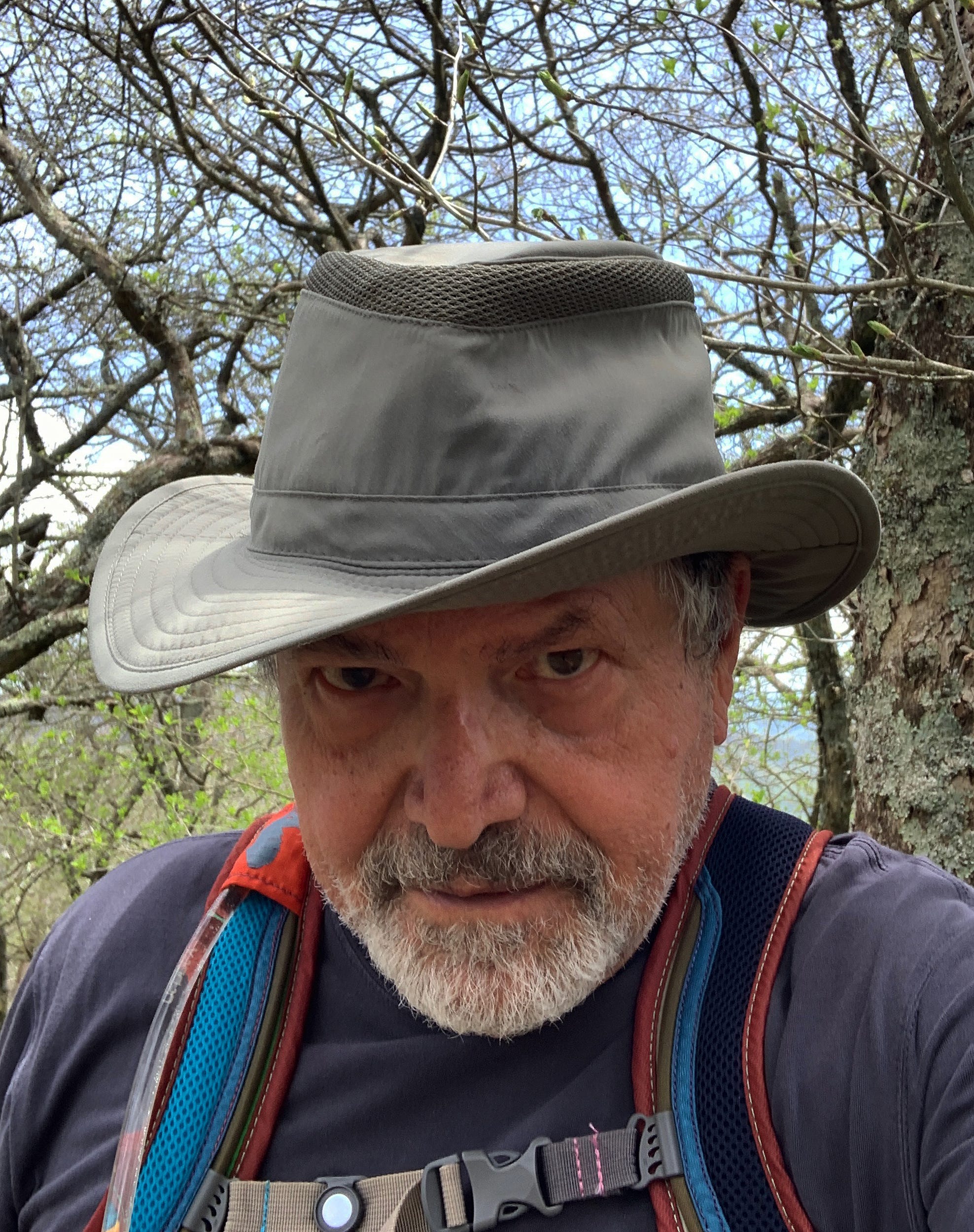
Taxodium 6
Remember who you are and where you come from.

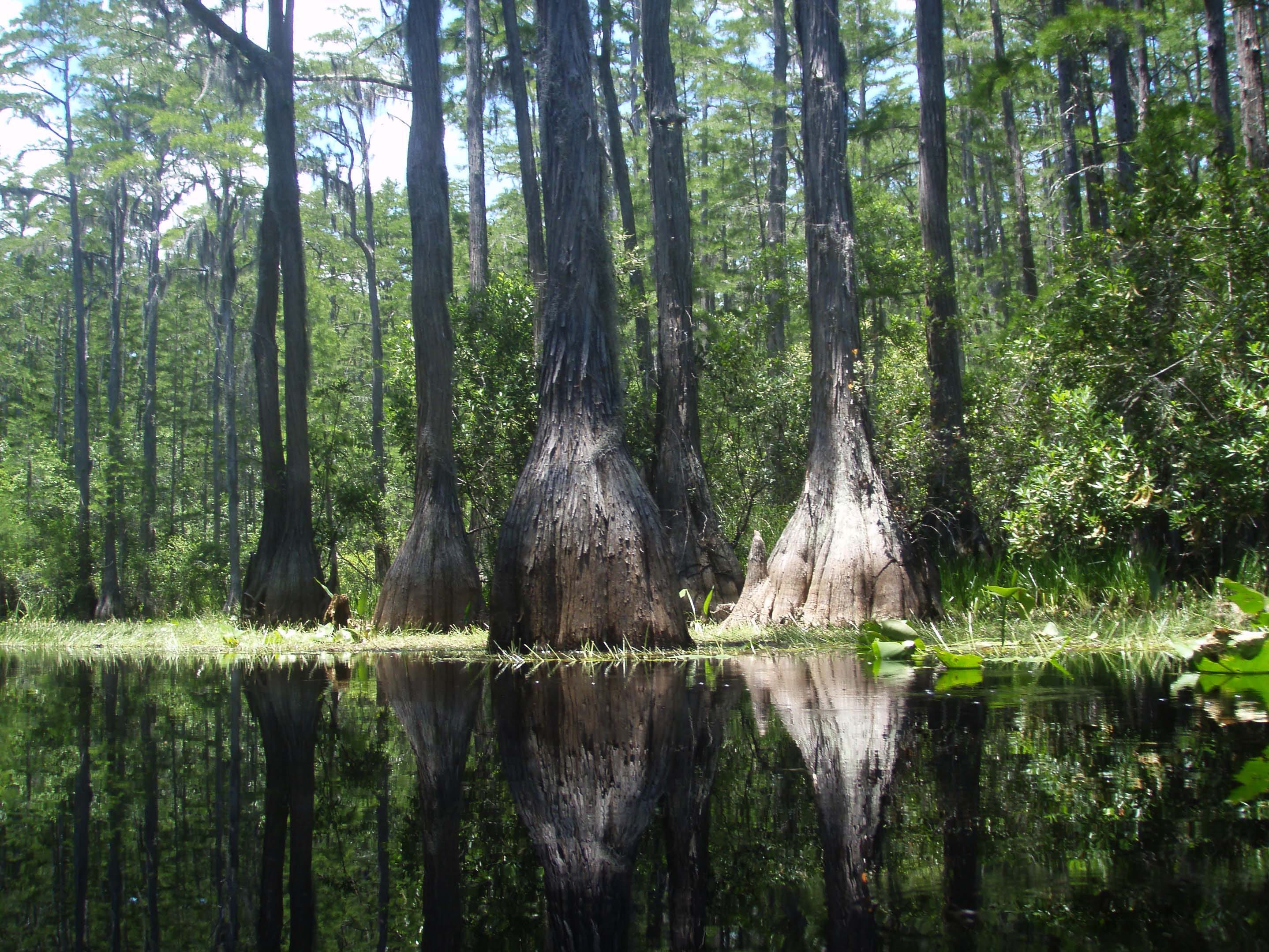
On the Suwannee, soon after it drains out of the Okefenokee Swamp.
The bald cypress (Taxodium distichum) stands in black water, knees rising like ancient knuckles, trunks thickening with age. Needles emerge neon green in spring, turn rust in fall, and drift into the black water. Then the cycle repeats, beginning again with spring-green. The cypress does not ask permission. It does not apologize for thriving. Its knobby knees rise from the muck and goo. It simply obeys the oldest command: be fruitful and multiply.
I adopt the term TAXODIUM as a moniker for a body of work I am developing. Projections for the work will include, but will not be limited to, an exhibition at the Cummer Museum of Art and Gardens in Jacksonville, Florida. This exhibition will open in May of 2028 and run into September (exact dates are yet to be determined). Various other parts will be explored and added as I work through various ideas.
TAXODIUM is not a celebration of trees. It is an act of observation. It is the verbalized manifestation of an idea, a natural statement, and perhaps a visual manifesto. This tribute is not necessarily to this singular species but moreover to the concepts this particular species illustrates. It also celebrates the topography TAXODIUM prefers and the other species occupying those domains.
Through TAXODIUM, I refuse the lie of hierarchy. There is no “good” species or “bad” species. No native hero, no invasive villain. Only relationships and the consequences that flow from them.
Throughout this body of work—the paintings, videos, photographs, and the words that accompany—the charge is not to preach. The content is charged to witness.
The episodes watch gnarly knees hold eroding soil. They memorialize trunks standing fast against storms and time. They describe canopies shifting from green to rust to green again. They chronicle the activities of other species, including our own (Homo sapiens), as they busy themselves in the slosh and wiggle of tannic backwater.
TAXODIUM is crafted through the filter of Radical Naturalism. This philosophical stance demands aggressive, all-encompassing observation. It champions empirical evidence over ancient superstition. It celebrates direct experience over transcendental illusion. It states emphatically that nature is not elsewhere; we are fully implicated in it. We participate in it biologically, ecologically, historically. The term “radical” insists on roots: causes over appearances, material conditions over ideals, structures over symbols.
TAXODIUM is protest and affirmation at once. Protest against the impulse to vilify what will not submit. Affirmation that life keeps moving toward fullness even when we draw lines, build dams, spray poisons, call things weeds or invaders. The cypress does not care about our labels. It keeps growing. It keeps feeding. It keeps healing the bare spots we made. Above all else, it keeps thriving.
In TAXODIUM, I choose to watch. I choose to meet the cypress neither as enemy nor ornament, but as a willing partner. I plan to illustrate that it is part of the same command that runs through everything alive: be fruitful and multiply.
This statement is liquid. It is growing. Changing. Evolving. Like the cypress itself. Like the swamp. Like me.
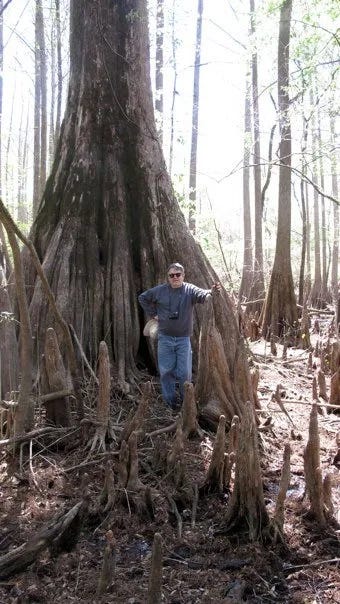
I’m from the south. The deep south. Was born in Kosciusko, Mississippi on December 22,1953. I danced a geographical foxtrot for several years before I finally summoned the courage to leave the state for good. That was during the early 90’s. Since then, I’ve settled for the most part in the northeastern corner of the state of Florida. Recently, I migrate back and forth from Jacksonville to Durham, NC and a tiny cabin in the Blue Ridge Mountains.
When I’m unstuck in time and space I retreat to mid-century mid-Mississippi. Old times there are not forgotten.
As a child we spent Sunday afternoons visiting relatives in surrounding counties. Daddy’s people were all pioneer stock whose families settled in Choctaw county, Mississippi after the land opened for settlers in the 1830’s. Mama’s kin were more local. We had no idea exactly where they were from. Mama wasn’t so interested in climbing the family tree. She discouraged all of us from doing the same. “Some things we just don’t need to know.” She said.
Now-and-again we would land at the Methodist Campgrounds near Ackerman, Mississippi called South Union. My ancestors all lived nearby. They cut wood, grew what they could, blacksmithed, and built. A tough stick-to-it-ness allowed them to wiggle out a living in relatively bucolic environs. A walk through the paths at the cemetery conjured up names not too dissimilar to mine. Names certainly pinned to every branch on my familial arbor.
Many of those monuments that held chiseled monikers also held symbols of the Confederacy. Crossed battle flags, swords along with CSA regiment and rank. Documentation of who I am and where I am from is indelibly marked on my history. Like it or not, it’s a tatoo that won’t wash off.
Being in the art world, even the regional one, I find myself in both professional and social situations with people from other parts of the country. Other parts of the world. During conversations about personal history I’m often met with blank stares, shrugs, or giggles.
While putting together the back-story regarding the Bald Cypress, Taxodium distichum, I arrived at the thought that the cypress plants itself and sends up it’s knobby knees unapologetically. I embraced this biological fact as a living metaphor.
“The Cypress doesn’t apologize for it’s knees, why should I?” So there you have it.
I’ve been through times when I wish I’d been born in another time, at another place. Fitting into my ecology has presented more challenges that anyone would know. Now, at 72, I find myself tossing thoughts of apology to the wind and embracing my existential realities. I love who I am , where I am, where I was born, who I was from and where I’m going from here. Why would I not? It’s a fabulous life.
In putting together TAXODIUM I continue to embrace all of my inherited realities. Join me on this journey. Take this trip into the sticky murky wilds of the southern black waters and find your goo. All that stuff that has fallen to ferment on your forest floor. Let the detritus and the shed skin compost and turn to nutrients to fertilize new thoughts. Let them be a hot-brewed-then-iced sweet-tea ready to sip on a sultry Sunday sit-down with ancient aunts and uncles. Take a trip to your family boneyard to spade up a tale or two about kith and kin.
I am what I am. I remember who I am and where I come from. Some of it is good, some is not. Stewed into a pot is becomes a soup fitting for royalty. If you season it just right.