
Radical Naturalism
a statement

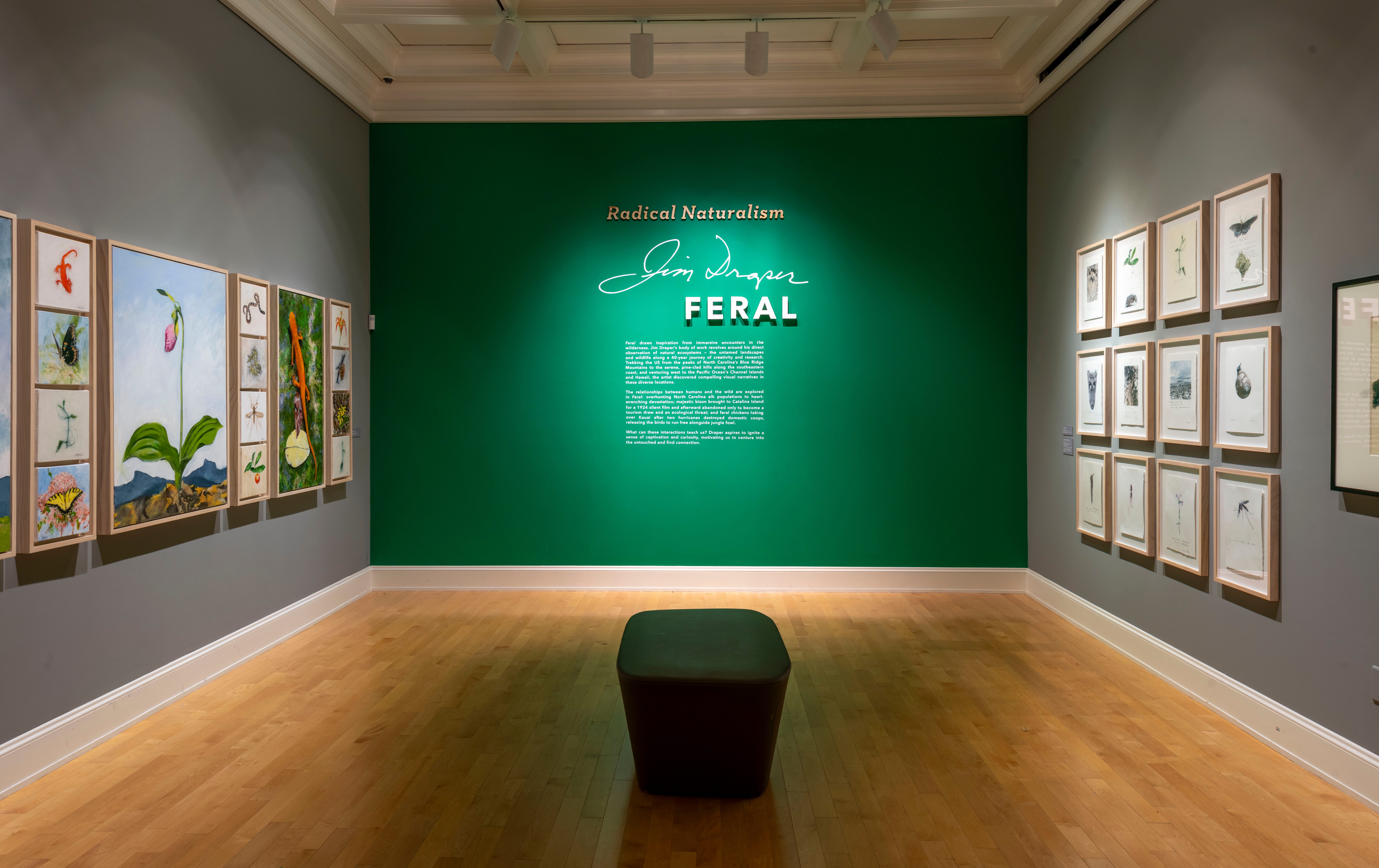
Radical Naturalism
For more than thirteen years, I have used and defended the term Radical Naturalism to describe a position that is at once philosophical, artistic, and ethical. I adopted the term not to name a style, movement, or brand, but to articulate a way of standing in the world—one that rejects transcendence, mystification, and inherited hierarchies in favor of lived reality, material conditions, and direct experience.
Naturalism, as I understand it, is not passive observation or nostalgic return. It is not pastoral sentimentality, nor is it a retreat from culture or intellect. Radical Naturalism insists that nature is not elsewhere. We are not outside of it, above it, or temporarily passing through it. We are fully implicated—biologically, socially, historically, and ecologically.
The “radical” in Radical Naturalism matters. It signals a commitment to roots: to causes rather than appearances, to structures rather than symbols, to conditions rather than ideals. It also marks a refusal—of supernatural explanations, of metaphysical escape hatches, and of cultural habits that deny material reality in favor of comfort or power.
In my work and thinking, Radical Naturalism operates as a counterweight to abstraction that forgets the body, theory that forgets labor, and aesthetics that forget consequences. It affirms that meaning emerges from relationships—between organisms, environments, systems, and time—rather than from imposed narratives or external authorities.
Radical Naturalism is not anti-poetic. It is anti-illusion. It does not diminish wonder; it relocates it. Wonder is not found beyond nature, but within it, in complexity, interdependence, decay, adaptation, and persistence.
This position has shaped how I think about art, making, ethics, and responsibility. It has guided how I speak about landscape, the human figure, materials, process, and mortality. It has also shaped how I resist romanticization—of nature, of violence, of purity, and of the artist as exceptional or separate.
Over time, I began using the hashtag #radicalnaturalism not as a slogan, but as a marker: a way to connect ideas, works, conversations, and people who shared a similar refusal of transcendence and a similar commitment to material truth.
Over time, Radical Naturalism has resonated with others—artists, thinkers, and practitioners who recognized in the term a language for positions they were already circling.
These include:
Artists who foreground material process, ecological entanglement, and bodily presence
Writers and thinkers who reject metaphysical explanations in favor of lived, situated knowledge
Practitioners who use #radicalnaturalism to frame work concerned with land, labor, time, and consequence
Colleagues and students who adopted the term as a clarifying lens rather than an identity.
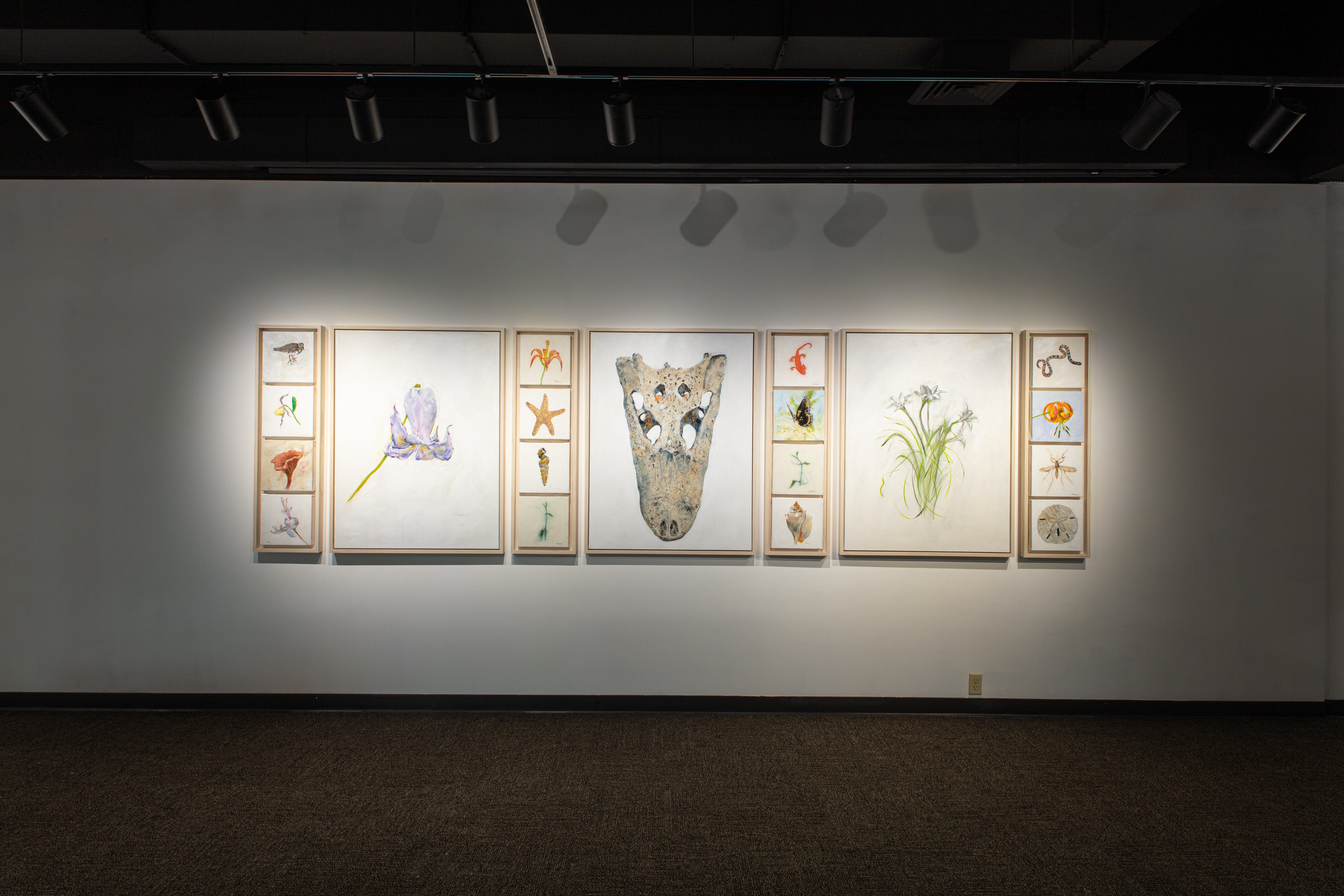
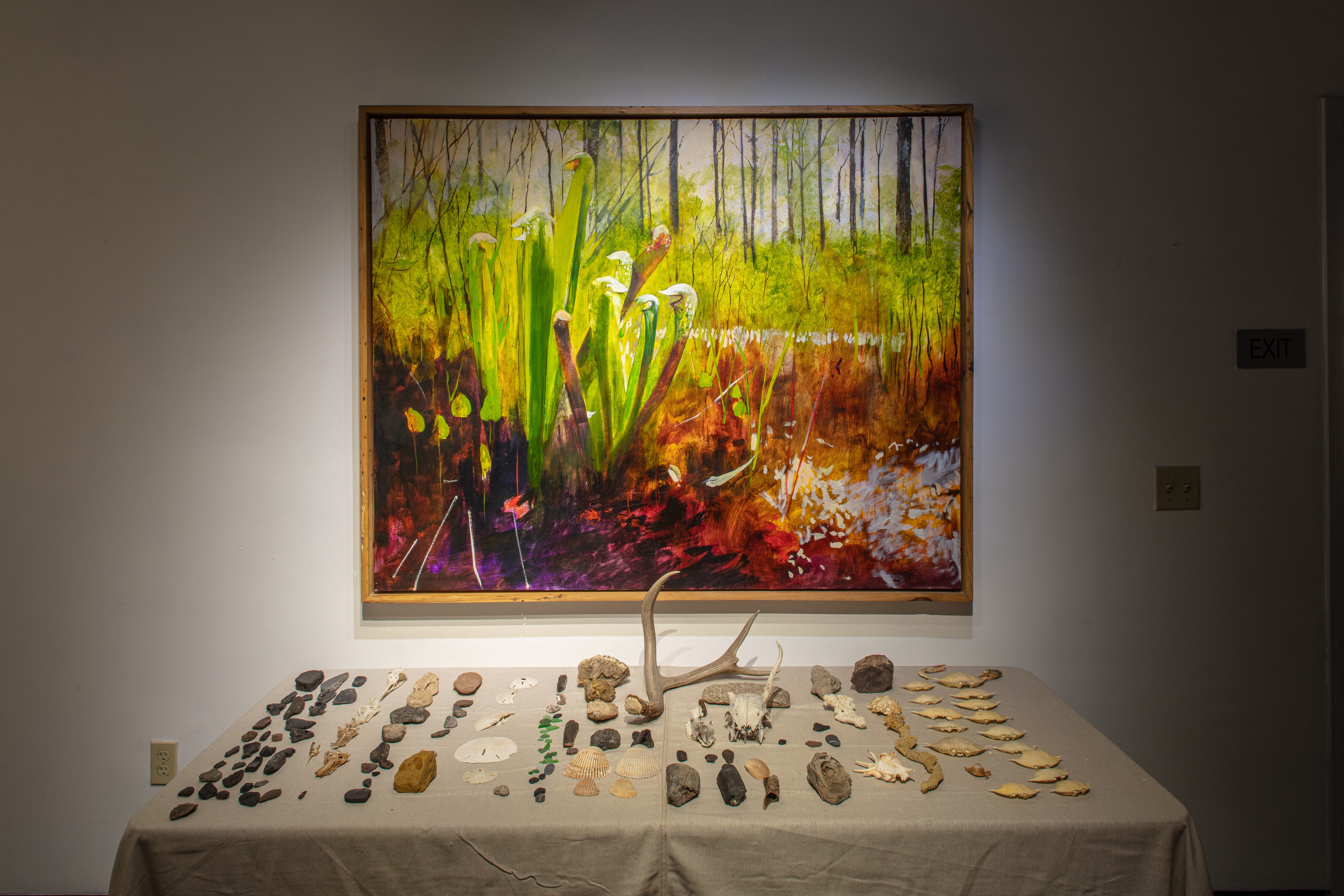
Thanks Janisse. I’m burying myself in TAXODIUM. Will be traveling the south during the next year seeking cypress swamps and black water reflections. Let’s talk.
I love your radical naturalist artwork!